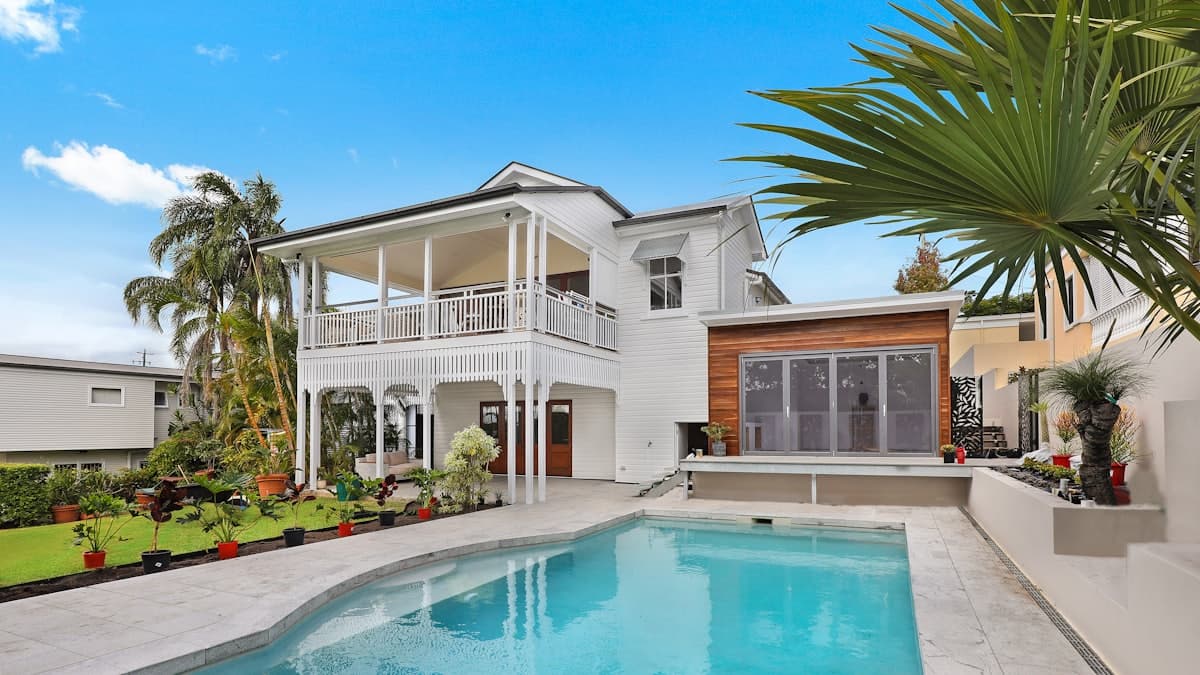
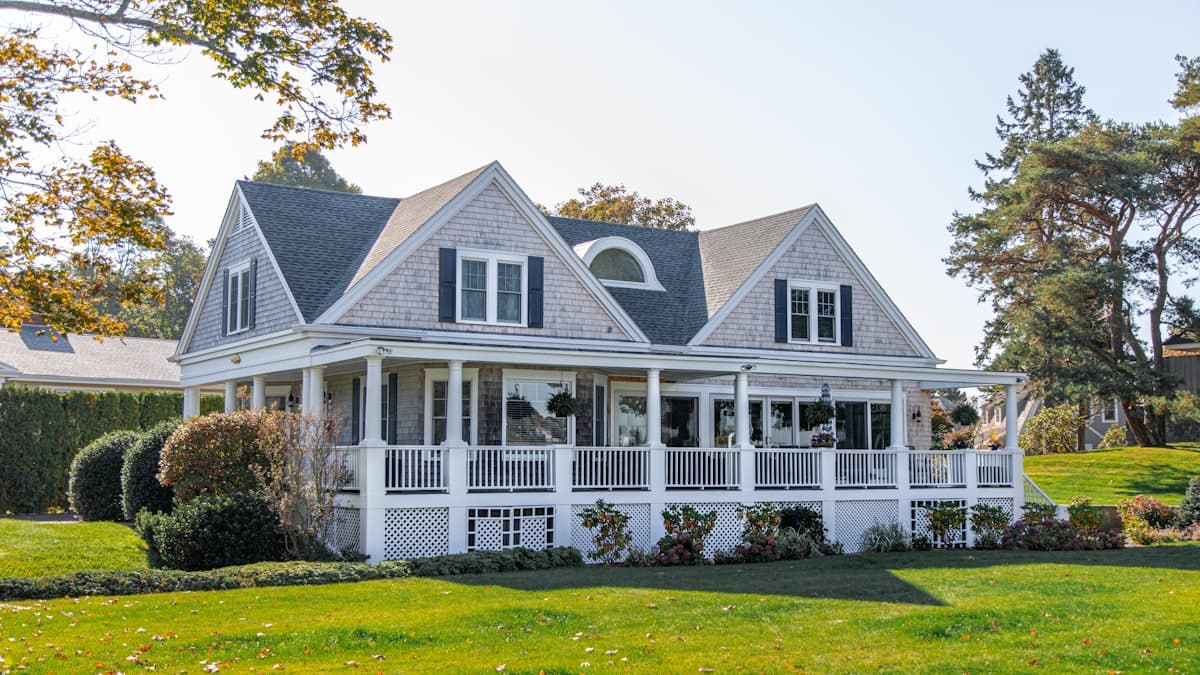
Can You Buy a Home in the US on a Work Visa? Yes — Here's How
You don't need a green card to own property. Mortgages, down payments, and the real risks for visa holders.
Reviewed by Deepak Middha, CA, Series 65
Last updated March 8, 2026Full profile
One of the most persistent NRI myths is that you need a green card to buy a US house — you don't; there's no citizenship or residency requirement to own property. What you need is a down payment, a credit history, and a clear-eyed view of the risks. Here's how it works on a work visa.
The short version
- No green card required — H-1B and L-1 holders qualify for conventional mortgages
- You'll need a ~620+ credit score, stable income, and a 5–20% down payment
- Only buy if you'll stay in the same area ~5 years — a forced sale can mean a loss
Getting a mortgage on a visa
Lenders care about repayment ability, not your immigration status per se. On an H-1B or L-1 you can qualify for a conventional mortgage if you have:
- A credit score (typically 620+, ideally 700+).
- A stable income and employment history (2 years is the classic benchmark, though some lenders flex for newer arrivals).
- A down payment, usually 5–20%.
Some lenders are visa-friendly and well-practiced with H-1B applicants; others aren't. Shop around.
The numbers beyond the sticker price
| Cost | What to budget |
|---|---|
| Down payment | 20% avoids PMI; less is possible but adds cost |
| Closing costs | 2–5% of the purchase price |
| Ongoing | Property taxes, homeowners insurance, and possibly HOA fees |
The visa-holder risk you must respect
Common mistakes
- A house is illiquid — selling under time pressure (e.g., if you must leave) can mean a loss
- Before buying, ask whether you'd be fine renting it out remotely or selling in a soft market
- A reasonable rule: only buy if you expect to stay in the same area at least 5 years
Rent or buy on a visa?
Run the visa-holder's real math — EMI-to-rent parity, visa clarity, and job-change risk.
Buying property in India as an NRI
The flip side — many NRIs invest back home. You can buy residential and commercial property in India (but not agricultural land) as an NRI. Fund it through your NRE/NRO accounts, mind the TDS rules on rental income, and keep clean records for when you eventually repatriate.
Owning a home on a visa is entirely doable. Just make sure the decision survives the "what if I have to leave" stress test before you sign.