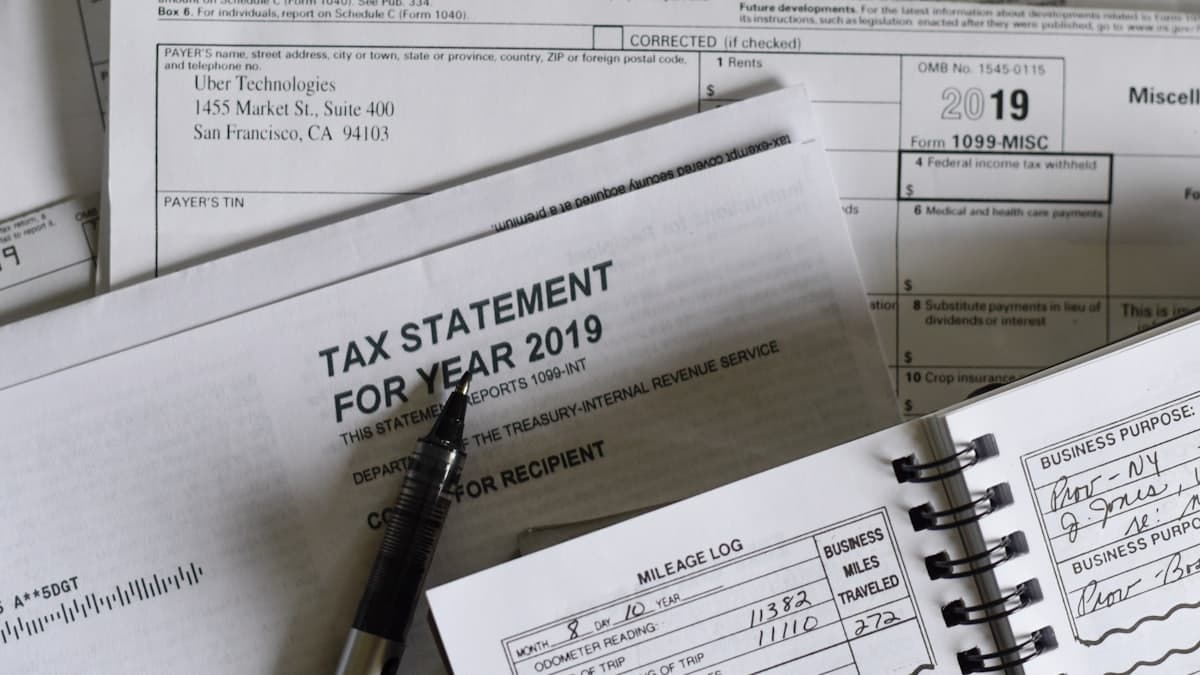
India-USA Double Taxation: How the DTAA Protects Your Income
Don't pay tax twice on the same rupee. Here's how the India-US treaty and the Foreign Tax Credit work — with a worked example that saves you thousands.
Reviewed by Deepak Middha, CA, Series 65
Last updated June 2, 2026Full profile
Owing tax in *both* countries on the *same* income is genuinely alarming: you paid Indian tax on rent or FD interest, and now the IRS wants its cut too. The India-US DTAA, with the US Foreign Tax Credit, ensures you pay only the *higher* of the two rates — never both stacked. Here's exactly how it works, with a worked example.
In a nutshell
You don't escape declaring Indian income to the IRS — but the DTAA ensures you aren't taxed twice on it. You report the income on your US return, then claim a Foreign Tax Credit (Form 1116) for the tax already paid to India. The net effect: you pay the higher of the Indian or US rate, never both stacked. NRE interest is a common trap — it's tax-free in India but fully taxable in the US.
Key takeaways
- The DTAA means you pay the higher of the two countries' rates, not the sum of both.
- The mechanism is the Foreign Tax Credit on Form 1116 — you credit Indian tax paid against your US bill.
- You must still declare all Indian income on your US return; the credit prevents double tax, it doesn't excuse reporting.
- NRE account interest is tax-free in India but taxable in the US — a frequent and costly surprise.
- Foreign tax credits that you can't use this year can often be carried back 1 year and forward 10 years.
- The treaty has different rules for different income types (interest, dividends, rent, capital gains).
How double taxation happens without the treaty
Imagine you earn ₹10,00,000 of rental income from a flat in India:
- India taxes it at, say, 30% → you pay ₹3,00,000 to India.
- As a US resident, you must report the same ₹10,00,000 as worldwide income. At a combined US federal + state rate of, say, 35%, the US wants ₹3,50,000.
Without relief, you'd pay ₹6,50,000 on ₹10,00,000 — a 65% effective rate. That's the nightmare the treaty exists to prevent.
What the DTAA actually does
The DTAA doesn't cancel either country's right to tax — it eliminates the overlap. For US residents the relief is delivered through the Foreign Tax Credit (FTC) on Form 1116: every dollar of qualifying Indian tax you paid becomes a dollar-for-dollar credit against your US tax on that same income.
Using the example above:
| Step | Amount |
|---|---|
| Indian rental income | ₹10,00,000 |
| Tax paid to India (30%) | ₹3,00,000 |
| US tax on the same income (35%) | ₹3,50,000 |
| Less: Foreign Tax Credit for Indian tax | −₹3,00,000 |
| Net additional US tax | ₹50,000 |
| Total tax paid (India + US) | ₹3,50,000 (35%) |
You end up paying 35% total — the higher of the two rates — not 65%. If India's rate had been *higher* than the US rate, the credit would wipe out your US tax entirely on that income (with any excess credit carried forward).
The NRE interest trap
Here's the mistake that catches the most people: interest on an NRE account is exempt from tax in India, but it is fully taxable in the US. Because you paid *zero* Indian tax on it, there's no foreign tax credit to claim — so the US taxes it at your full rate. Many NRIs assume "tax-free in India" means "tax-free everywhere." It doesn't. (See NRE vs. NRO accounts for how to structure this.)
Foreign Tax Credit vs. the Foreign Earned Income Exclusion
A quick clarification, because people confuse them:
- The Foreign Tax Credit (Form 1116) is what NRIs living *in the US* use for *passive* Indian income (interest, rent, dividends).
- The Foreign Earned Income Exclusion (Form 2555) applies to people living and working *abroad* — generally not relevant to an H-1B holder living in the US.
For almost everyone reading this, Form 1116 is the tool.
Where it gets tricky
- Form 1116 is fussy. You categorize income (passive vs. general), match it to the foreign tax paid, apply exchange rates, and respect limitation calculations. Errors are common.
- Timing mismatches. India's tax year (April–March) doesn't align with the US calendar year, so matching income and tax to the right US year takes care.
- Different income, different treaty articles. Interest, dividends, capital gains, and rent each have their own DTAA treatment and sometimes reduced treaty rates.
- Unused credits carry over. If your Indian tax exceeds your US tax on that income, the excess FTC generally carries back 1 year and forward up to 10.
Worth the CPA fee: If you have meaningful Indian income, a one-time return prepared by an NRI-focused CPA (typically $300–$600) routinely saves multiples of that by claiming the FTC correctly. This is genuinely not DIY territory once Form 1116 enters the picture.
Frequently asked questions
Does the DTAA mean I don't have to report Indian income to the IRS?
No. You must declare all worldwide income on your US return. The DTAA prevents *double taxation* through the Foreign Tax Credit — it does not exempt you from *reporting*. Skipping disclosure also risks FBAR/FATCA penalties.
Is NRE interest really taxable in the US?
Yes. It's exempt in India but fully taxable in the US, and because no Indian tax was paid, there's no credit to offset it.
What if I paid more tax in India than I owe in the US?
The Foreign Tax Credit can reduce your US tax on that income to zero, and the unused excess generally carries back 1 year and forward 10 years.
Do I claim the credit on Form 1116 or take a deduction?
Most people are better off with the credit (Form 1116), which reduces tax dollar-for-dollar, rather than a deduction, which only reduces taxable income. A CPA can confirm for your situation.
The bottom line
Declare all your Indian income, file Form 1116 to credit the Indian tax you paid, and you'll owe only the higher of the two rates. Watch the NRE-interest trap and the April-to-March timing mismatch. Once the numbers are meaningful, an NRI-focused CPA pays for itself.